The 3D Portfolio That Gets Hired in 2026: What to Show and What to Cut
Key takeaways
- Show 3 pieces: one hero, one procedural/batch, one USD pipeline
- More than 5 pieces reads amateur; a reviewer never reaches piece six
- The batch/procedural piece is the developer edge studios hire for
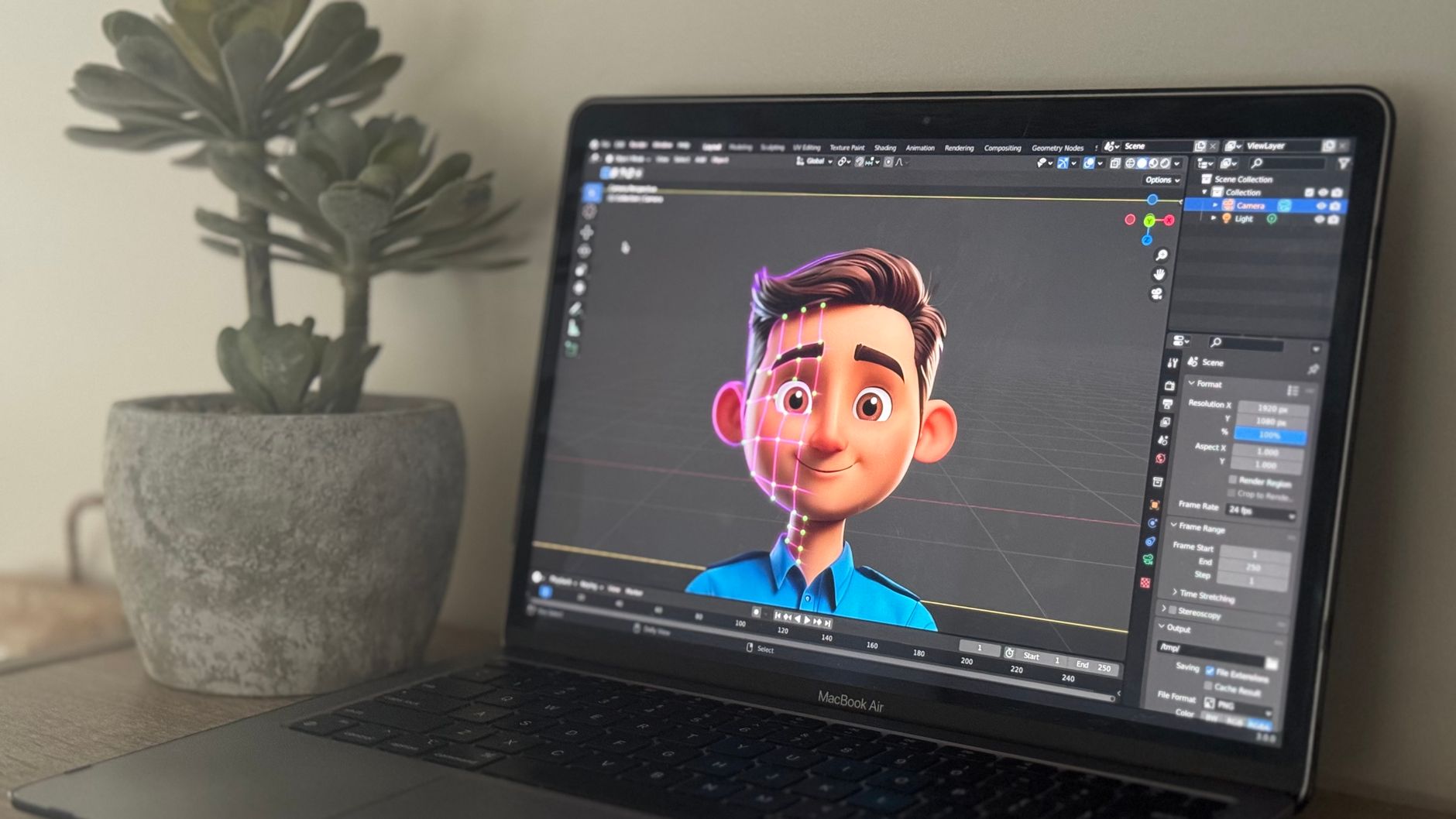
A 3D portfolio in 2026 is not "a folder of models." It is a short, specific, and mostly-automated case study that a studio reviewer can scan in 30 seconds. Here is the structure that passes that scan, and the cuts that immediately signal amateur.
The three pieces that matter
One hero asset — a single model with the full pipeline visible (blockout, sculpt/retopo, UV, texture, render, USD export). This is the piece that proves you can do the whole thing, not just the pretty part.
One procedural / batch work — the thing that shows you can produce at scale (a variant set, a USD batch, a script that did the work). This is the developer edge and the thing studios increasingly want.
One USD / pipeline work — a clean USD scene with variants and LODs, or a tool you built for a pipeline. This is the 2026 signal that you speak the open pipeline.
The cuts that look amateur
Any single render with no pipeline. A beauty shot with no behind-the-scenes reads as "downloaded or AI," not "made."
More than five pieces. A reviewer does not get to piece six; the portfolio is a filter, not a catalog.
A piece that is clearly a tutorial asset. If it is a known tutorial model, it is not your work; cut it.
Where automation shows up (the edge)
The piece that separates a developer-operator from a general artist is the batch / procedural / USD-pipeline work: a script that generated the variant set, a tool that validated the USD, a batch that converted 100 assets. That is the work a general artist does by hand and a developer does in an afternoon, and it is the exact gap the 2026 studio is hiring for.